The Power of Humor in Law Enforcement: A Badge of Resilience
Law enforcement is one of the most demanding professions in our society. Officers face daily stressors that would challenge even the most resilient individuals—from life-threatening situations to emotional trauma, bureaucratic pressures to public scrutiny. Yet within police departments across the country, you’ll often hear something unexpected: laughter. This isn’t callousness or indifference; humor in law enforcement is one of the most powerful tools officers have for maintaining their mental health and professional effectiveness.
Humor as a Coping Mechanism
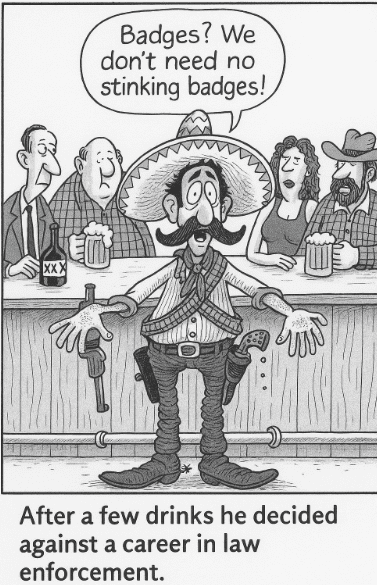
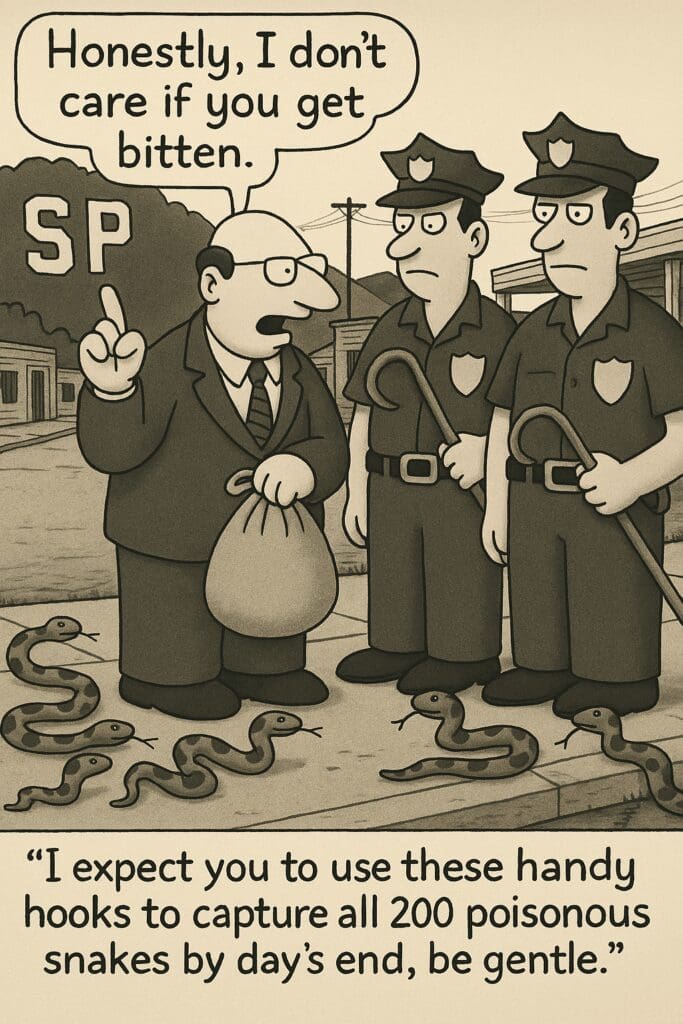
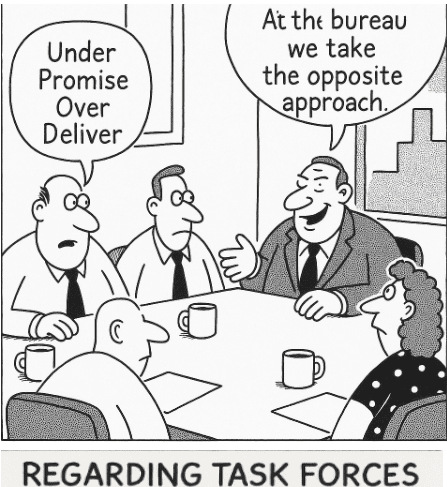
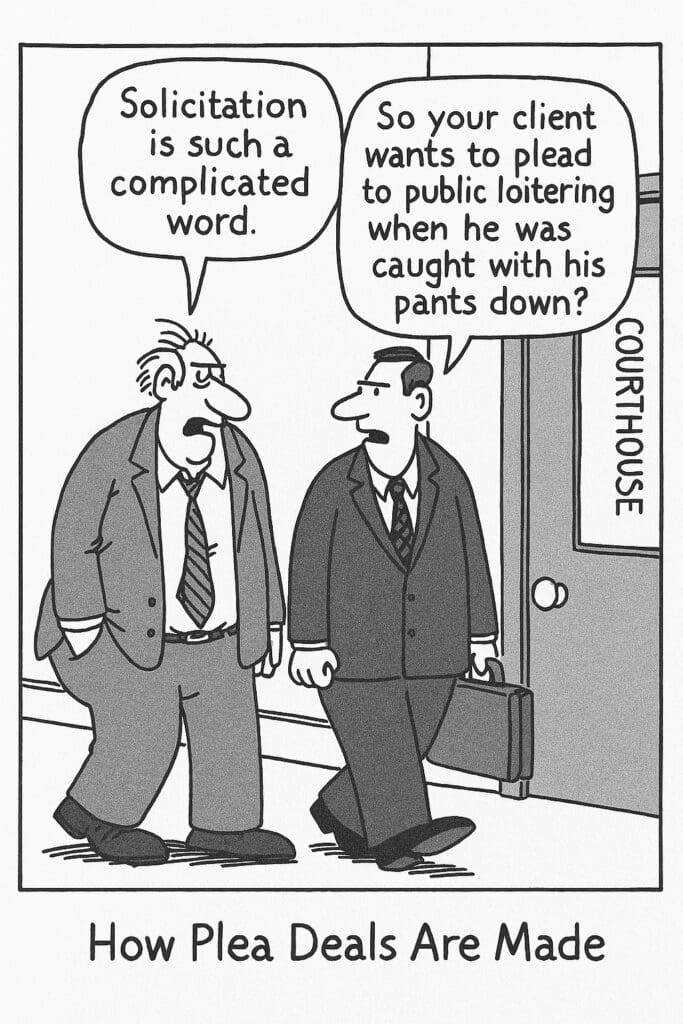
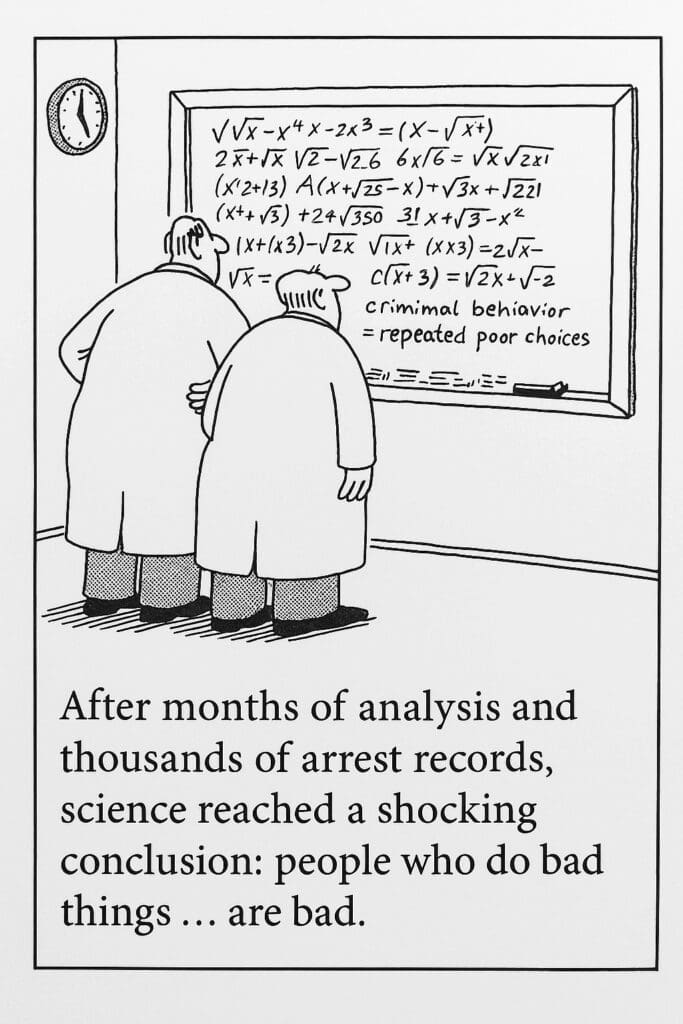
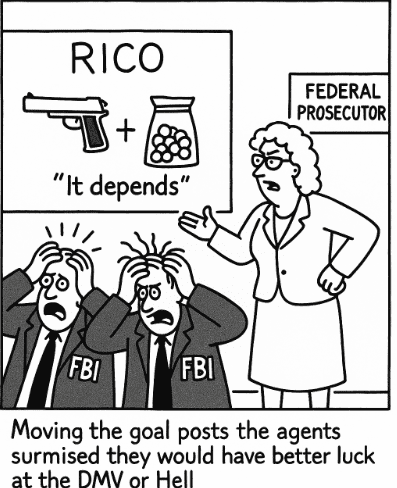
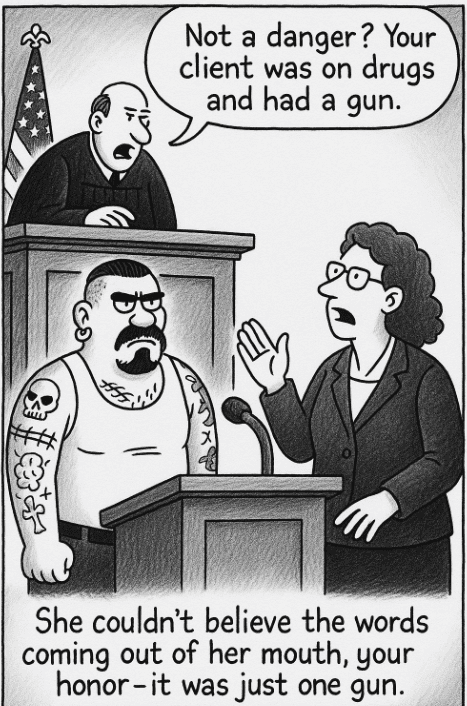
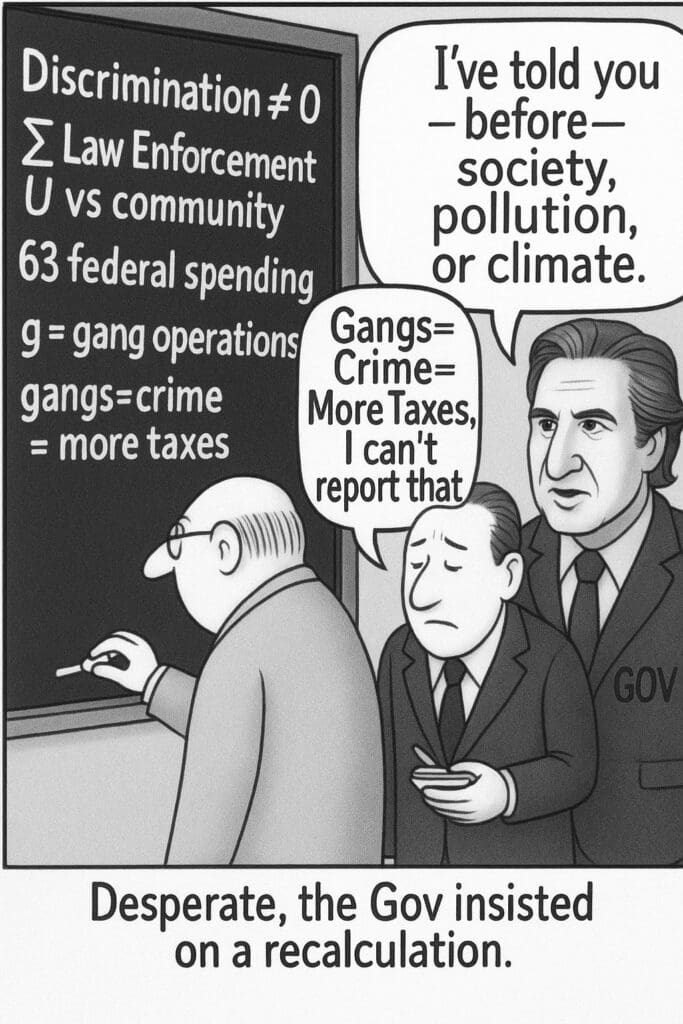
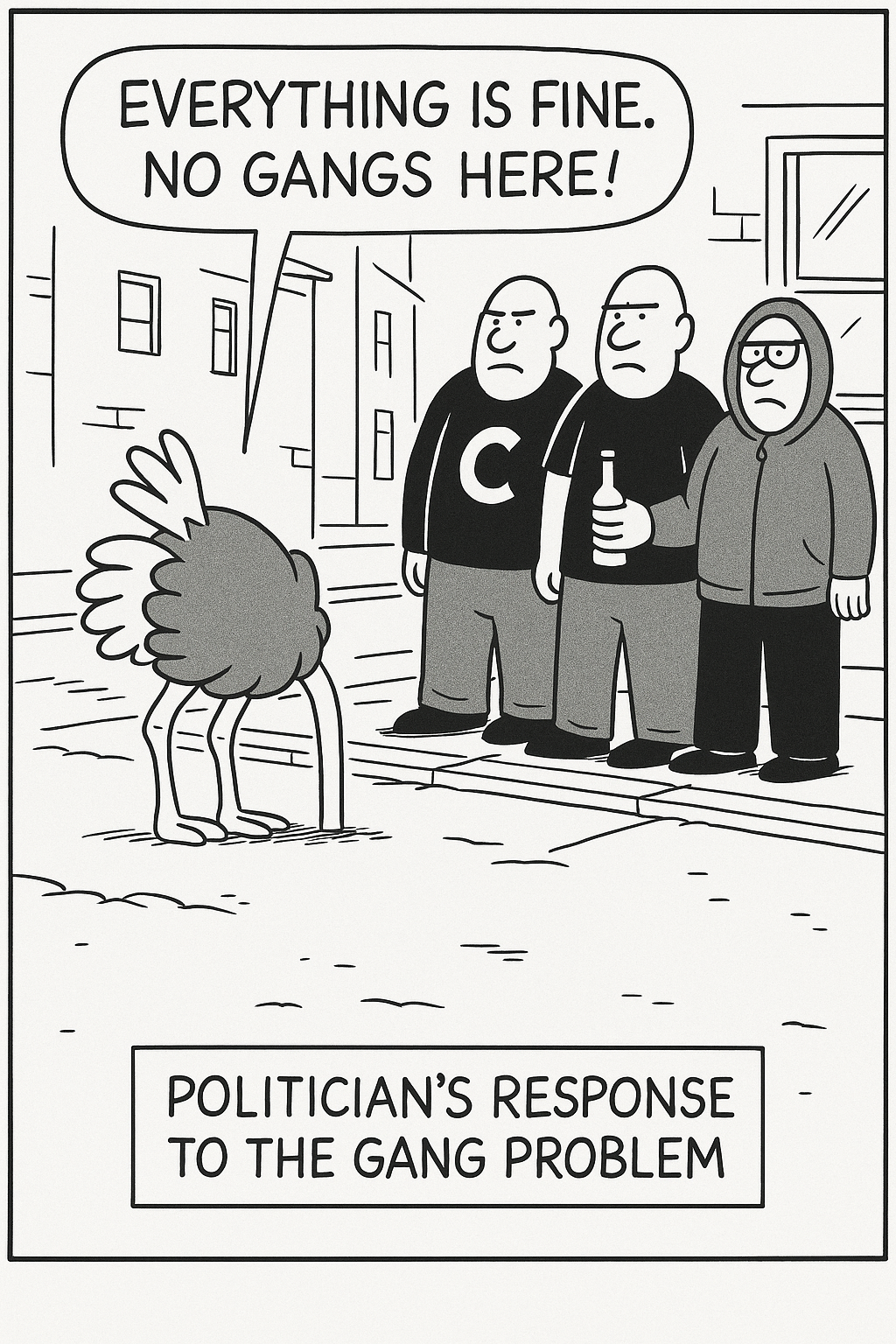
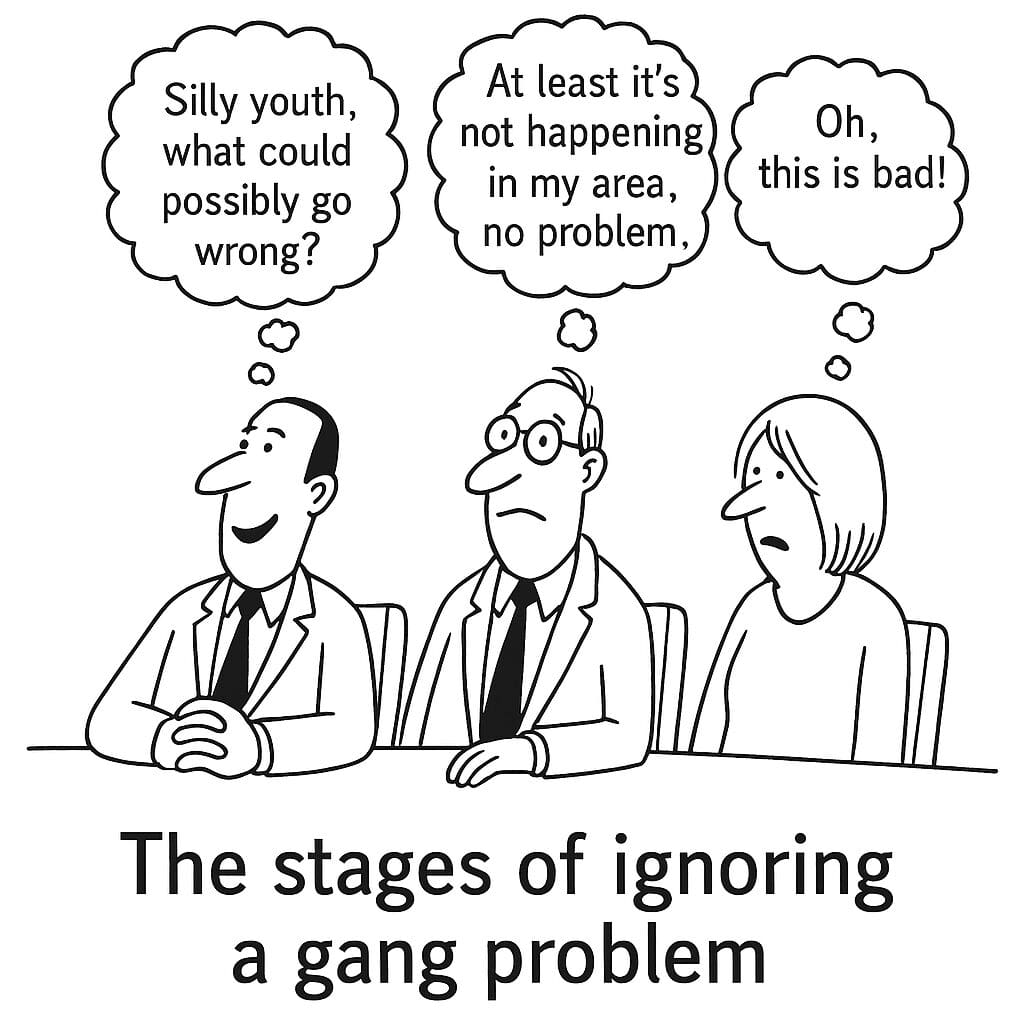
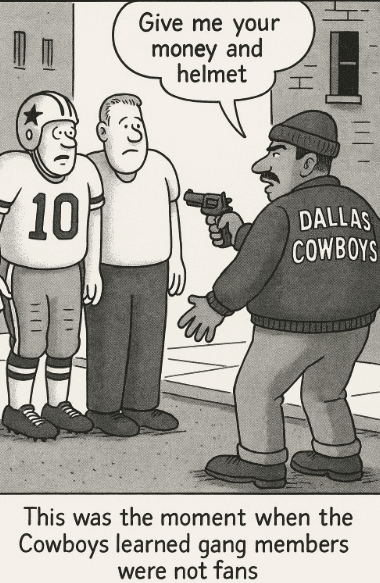
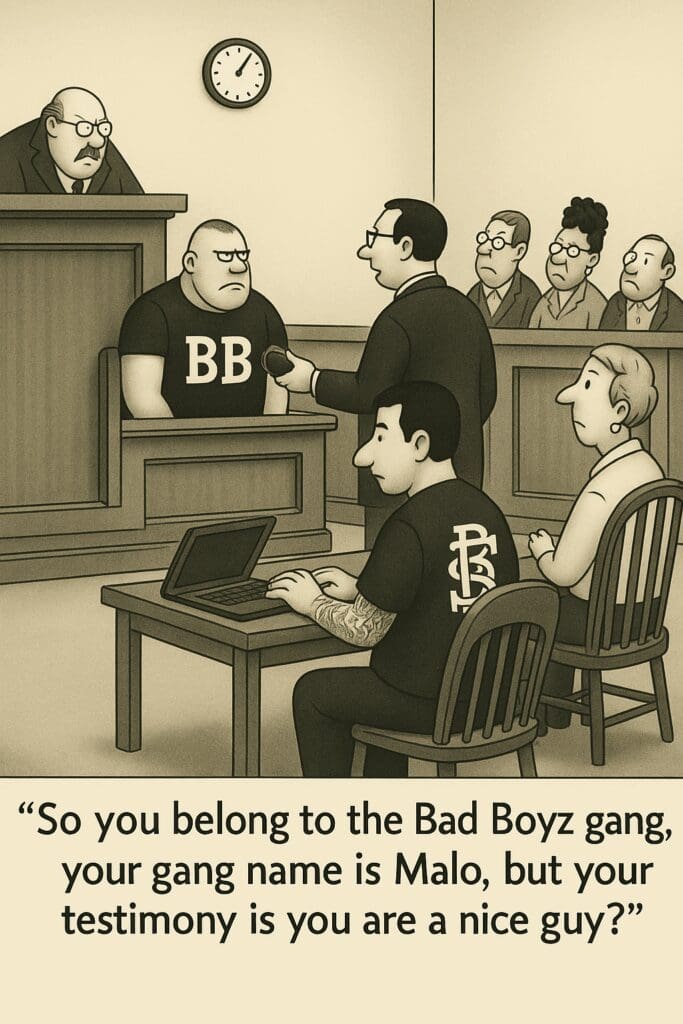
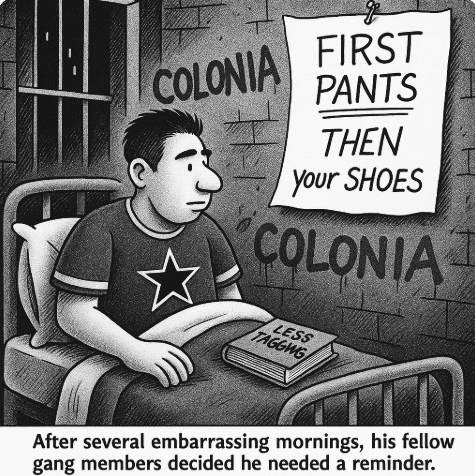
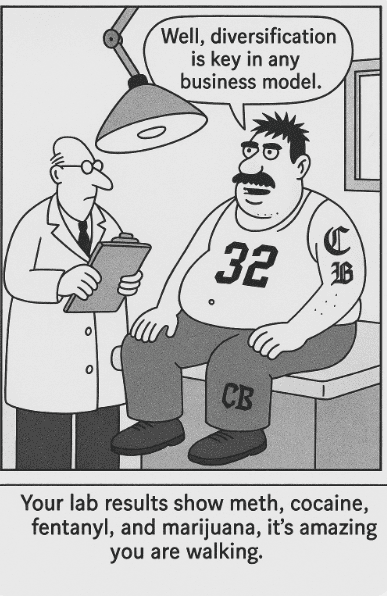
The psychological benefits of humor in high-stress professions are well-documented. For law enforcement officers, humor in law enforcement serves as a vital pressure valve, allowing them to process difficult experiences without becoming overwhelmed. When officers share a lighthearted moment after a challenging call, they’re not minimizing the seriousness of their work—they’re protecting their ability to continue doing it effectively. Here are some cartoons of law enforcement, lawyers, and government:
Humor in Court
A year after 9/11, I transported a Mexican-American gang member to federal court in downtown Los Angeles for his initial appearance. To set the stage, federal court is much more formal than state court. People generally do not talk, and the federal magistrate judge demands respect.
Prisoners sat on metal benches behind a four-foot glass partition where the judge, lawyers, and public was seated. At the initial appearance, the judge spoke to each defendant and verified their name and ensured they understand the allegation the government was charging.
On that particular afternoon, there were five defendants and about fifteen people in the courtroom. The judge read one of the defendants names, “Joe Smith, do you understand the charges the government is alleging?”
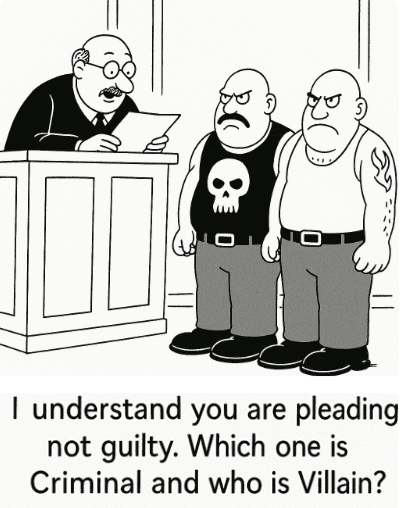
The judge was on his third defendant, a Middle-Eastern man. When the judge read the man’s name, “Abdulla Ali,” the Mexican-American gang member yelled out, “guilty.” Everyone started laughing, including the judge who tried to regain composure.
While some may misinterpret humor as insensitive, it’s important to understand that appropriate/inappropriate levity serves a legitimate psychological function rather than reflecting callousness.
I’m suspicious of people who don’t have a sense of humor. Humor in law enforcement allows the police to laugh at themselves and the trials life throws at each of us. Everyone should be able to laugh.
Connecting with the Community
Humor can bridge the gap between law enforcement and the communities they serve. An officer who can share a genuine laugh with community members during routine interactions helps humanize the badge. This doesn’t mean making light of serious situations, but rather finding appropriate moments to show the person behind the uniform.
Humor can also be a valuable public relations tool. A well-timed joke or light-hearted remark can de-escalate tense encounters with the public, humanize the badge, and shift the energy of a heated situation.
Most of the gang members I interviewed could laugh at themselves or the situation they were in; which was usually jail.
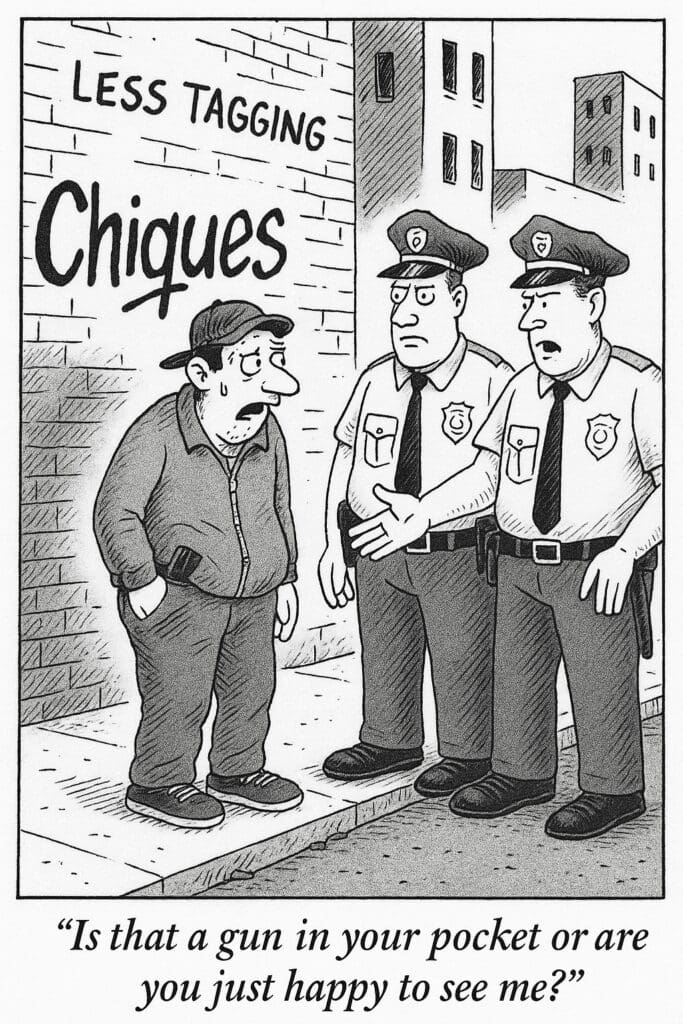
A gang member was instructed to sit on the ground while an officer checked his identification. When the gang member stood up a high capacity magazine slipped through his sweats and landed on the sidewalk with a loud clank. The gang member asked, “Where did that come from?” The gang member had a pistol in his waistband and was arrested. When I watched the body worn camera of the incident I laughed out loud. When I spoke to the officer about the exchange he chuckled, although at the time it was less humorous.
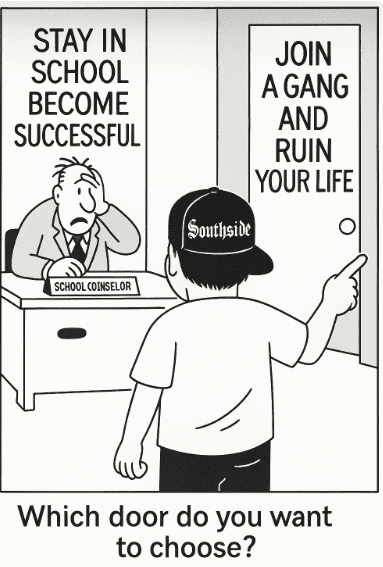
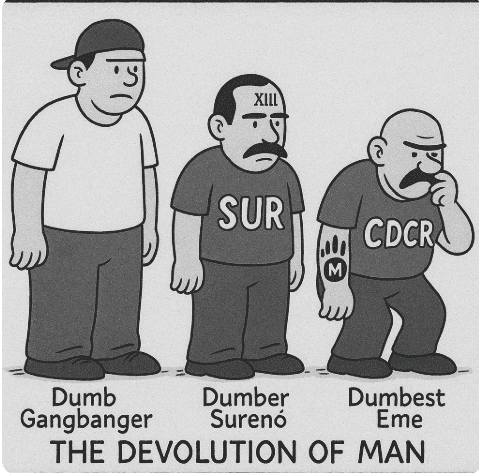
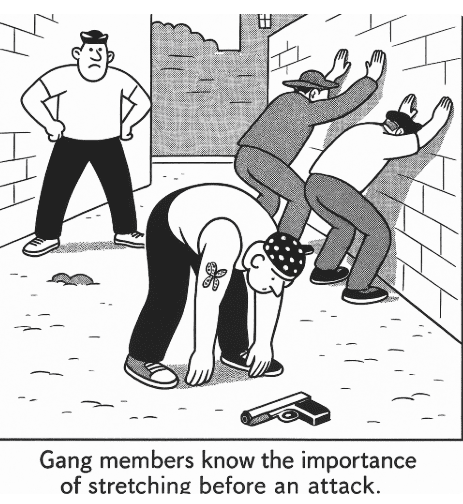
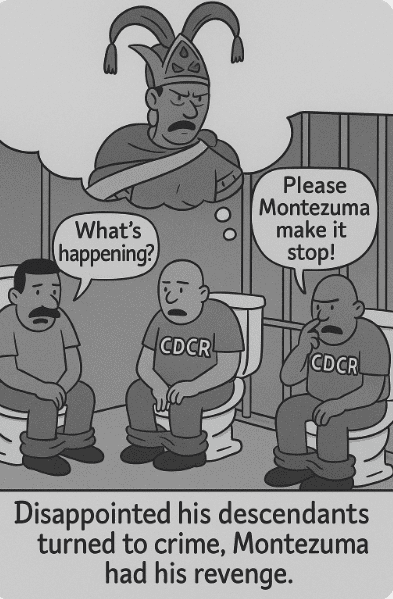
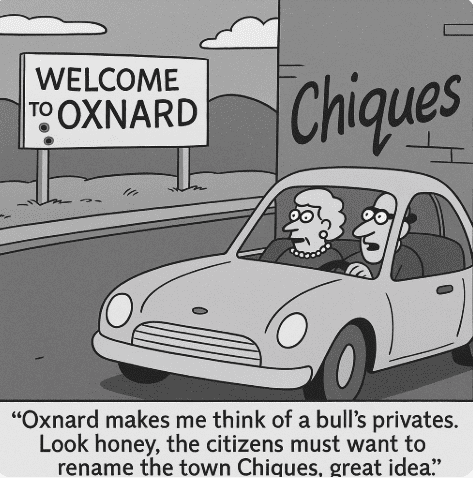
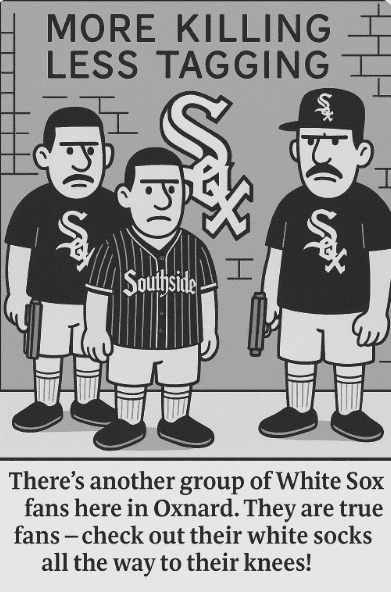
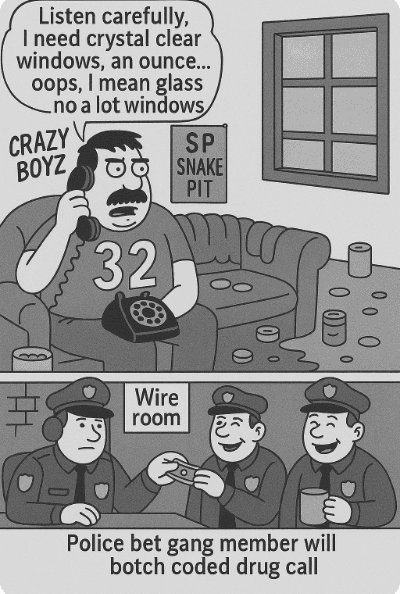
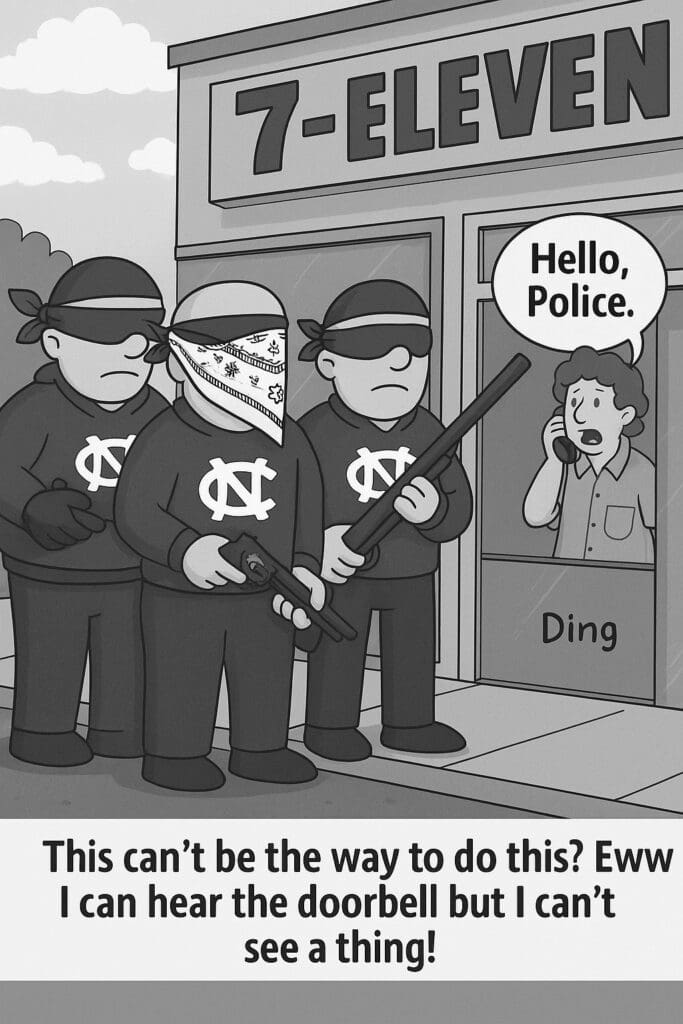
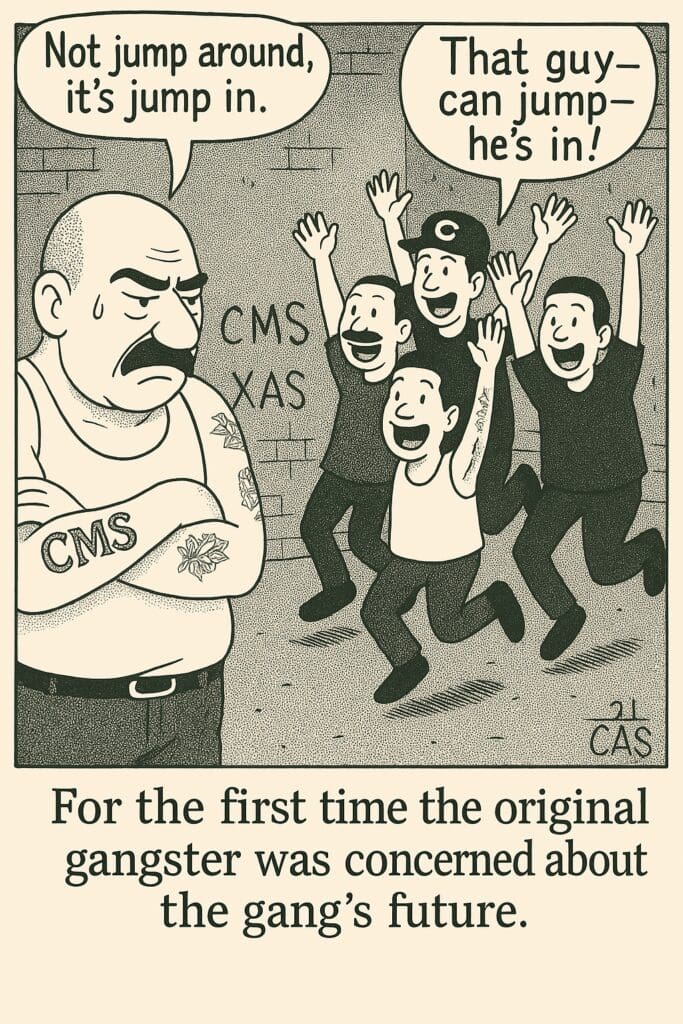
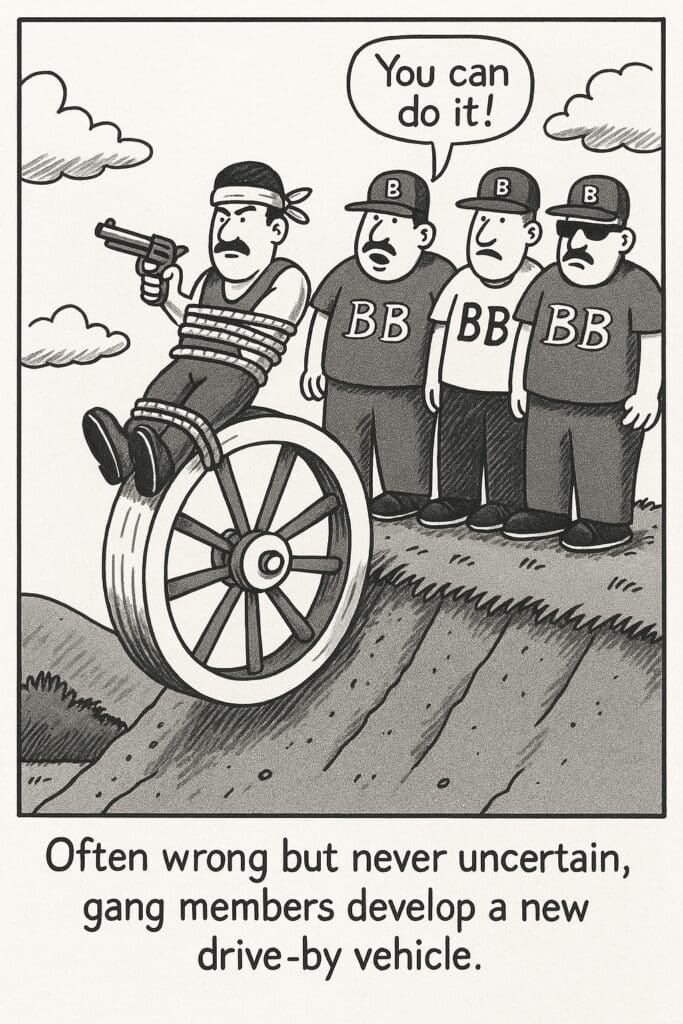
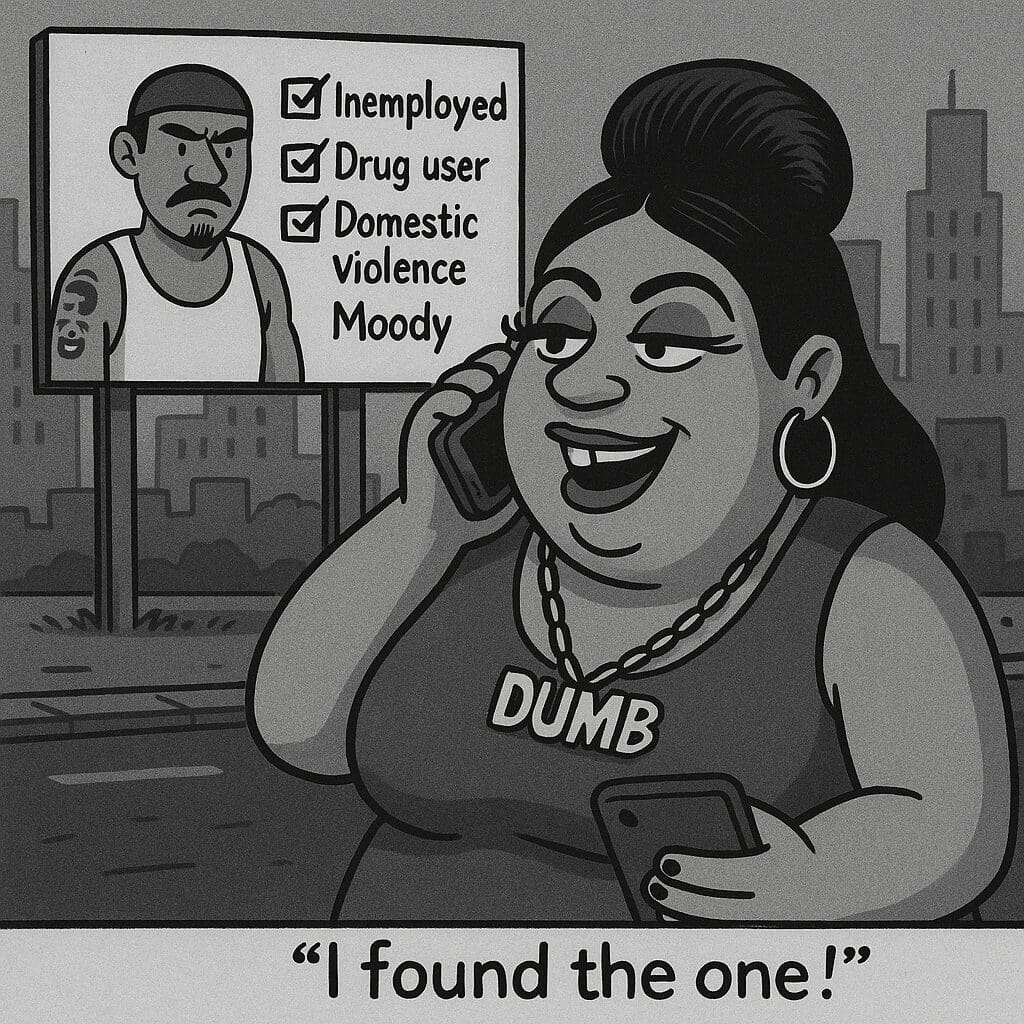
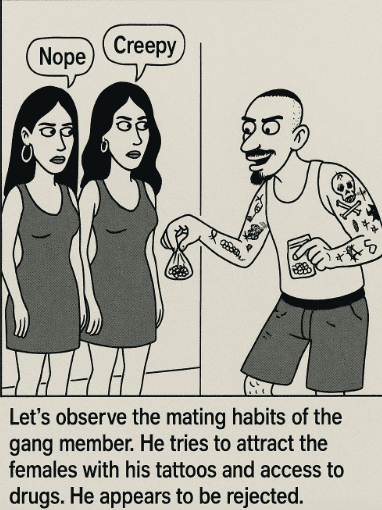
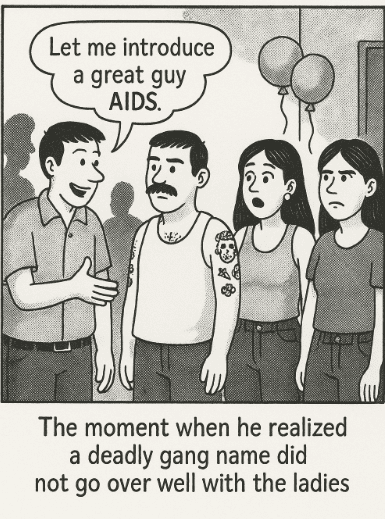
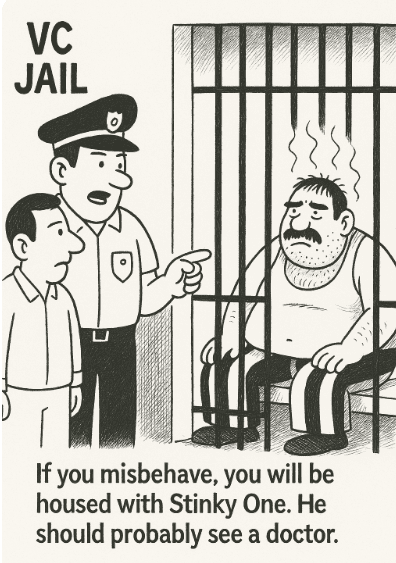
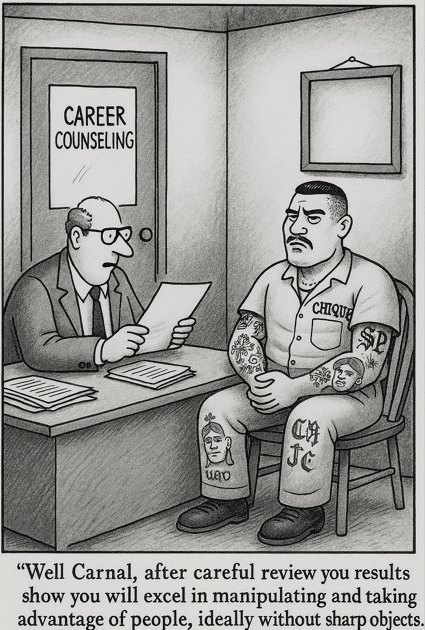
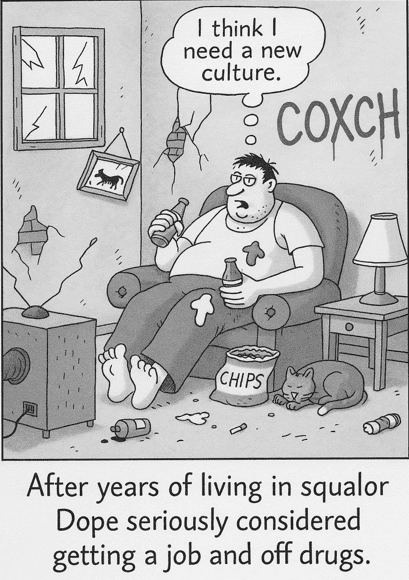
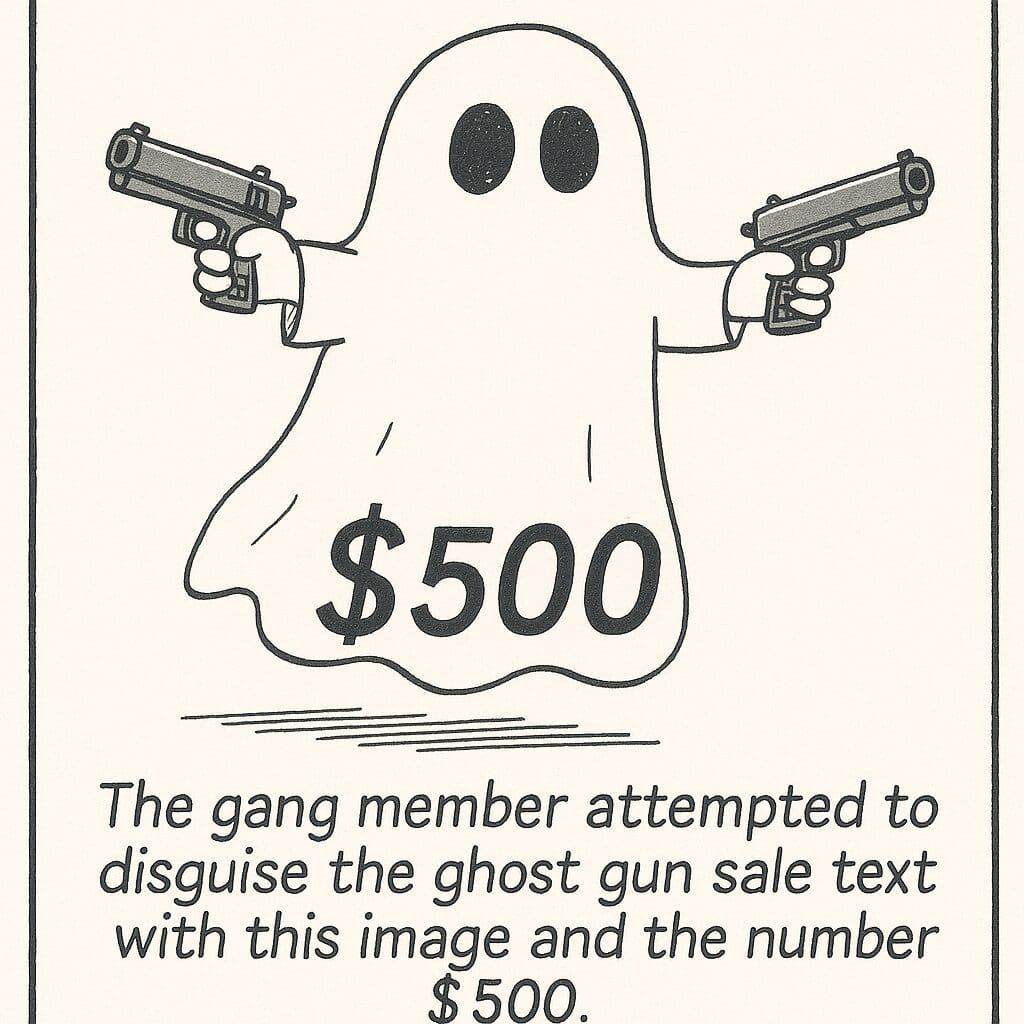
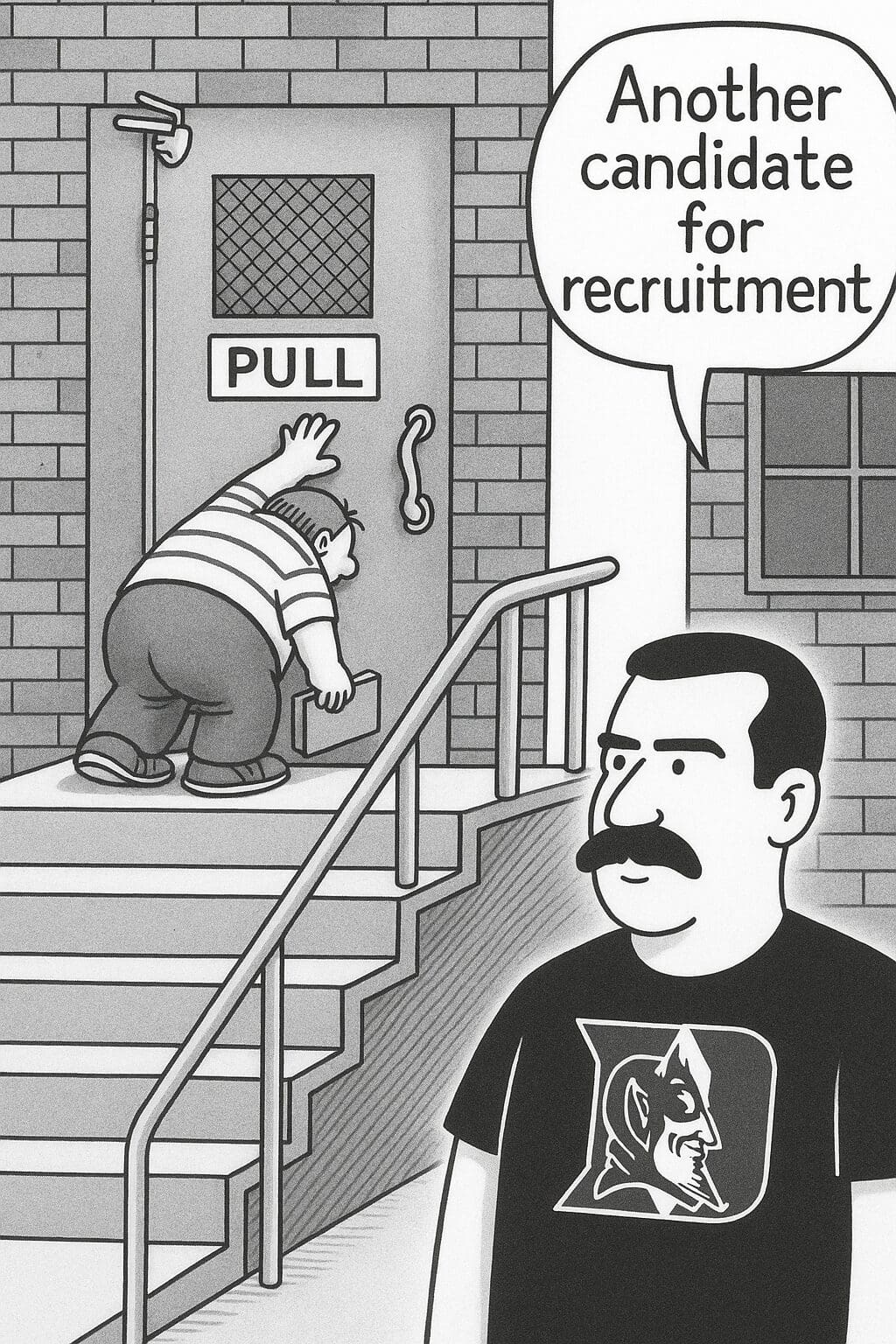
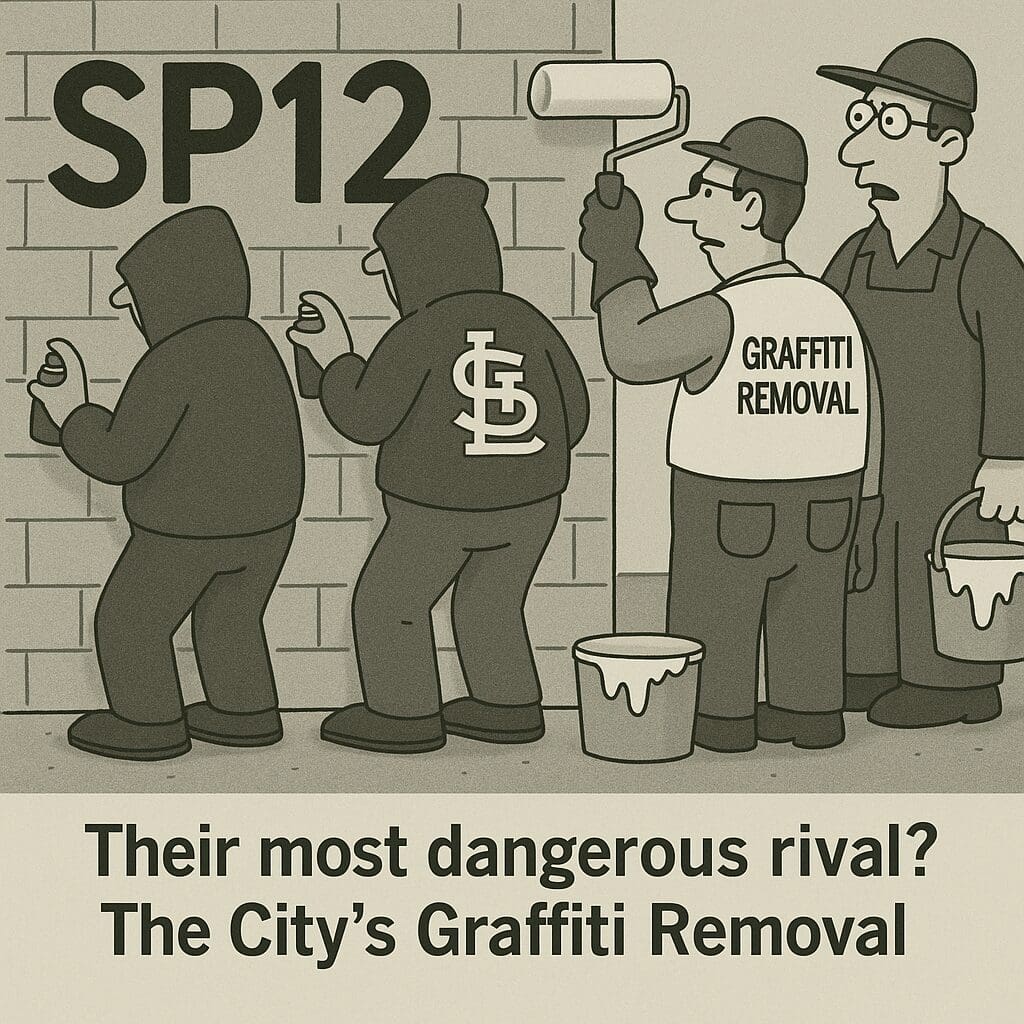
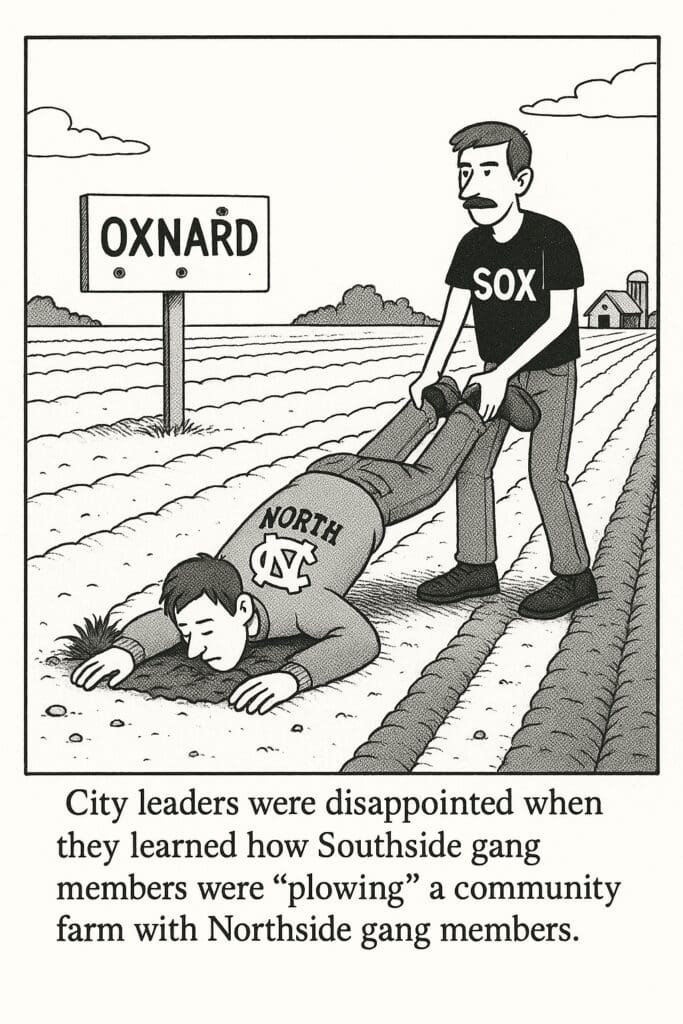
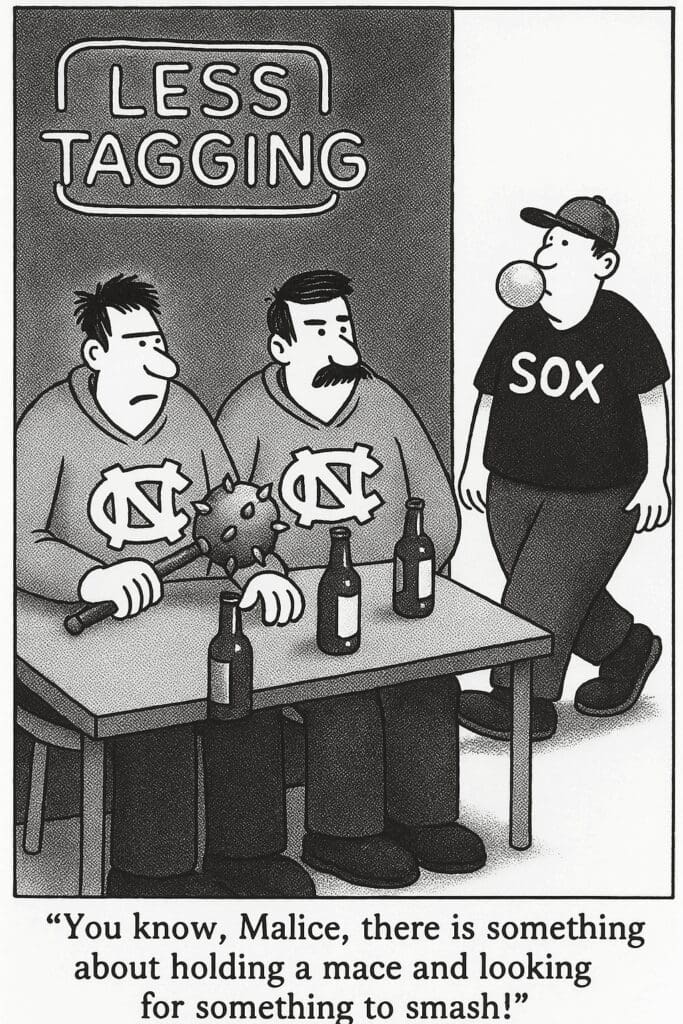
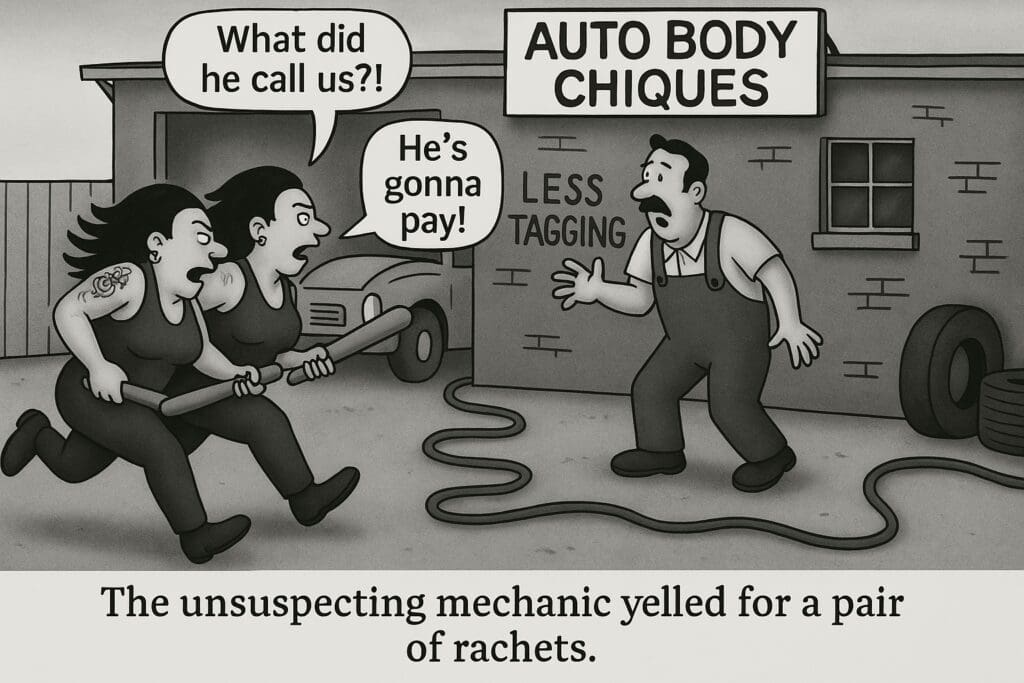
Yes, humor can sometimes sound offensive—but don’t take it that way; it’s not about disrespect, humor in law enforcement is about laughing at circumstances and situations to cope with life. Here are some cartoons, the cartoons may make you laugh, others may make you think:

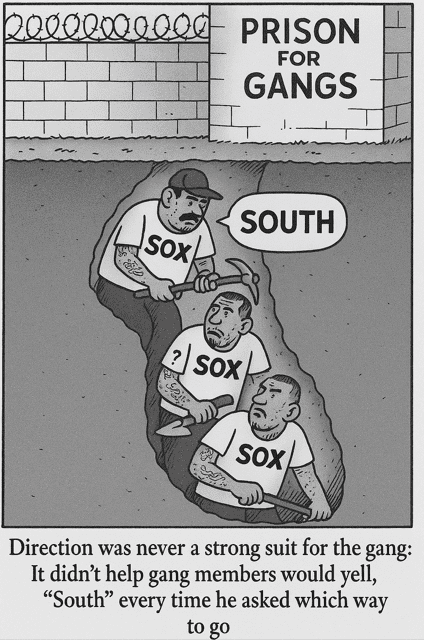
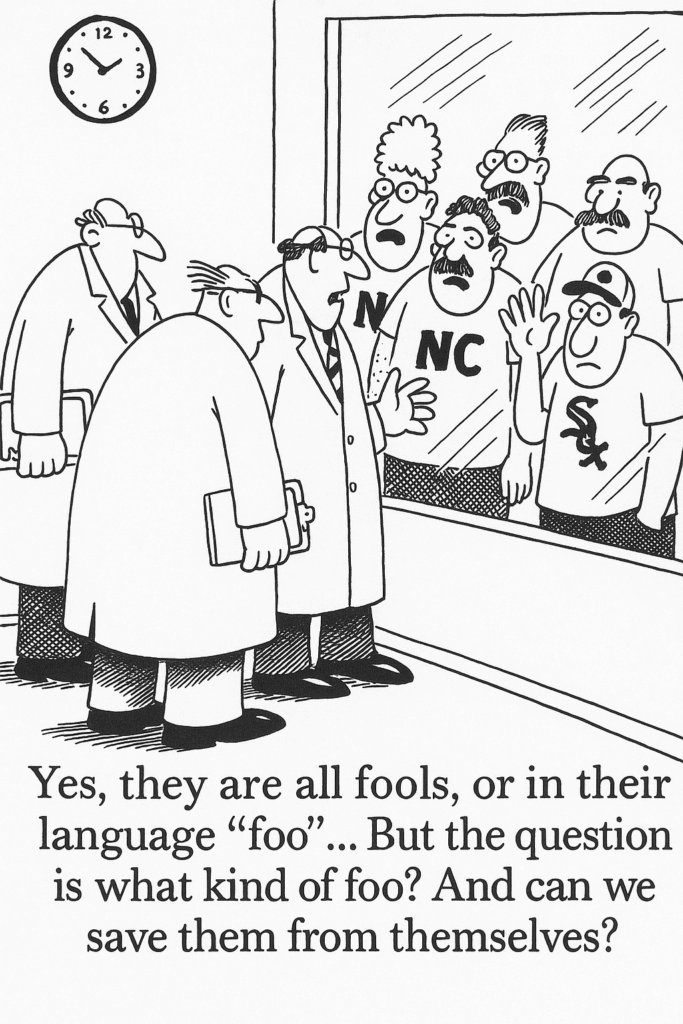
To learn more about gang names which are often humorous, read the blog Gang Names: Understanding the Criminal Identify System.
A Profession That Needs to Laugh
In a profession where hypervigilance, trauma, and burnout are real threats, humor is not a luxury—it’s a necessity. It’s the release valve on the pressure cooker, the icebreaker in the interrogation room, and the sanity-saver during endless paperwork.
Law enforcement is serious work. But it’s also human work. And humans need to laugh—even, and especially, in the darkest of times when investigating crime, especially crimes committed by gangs.
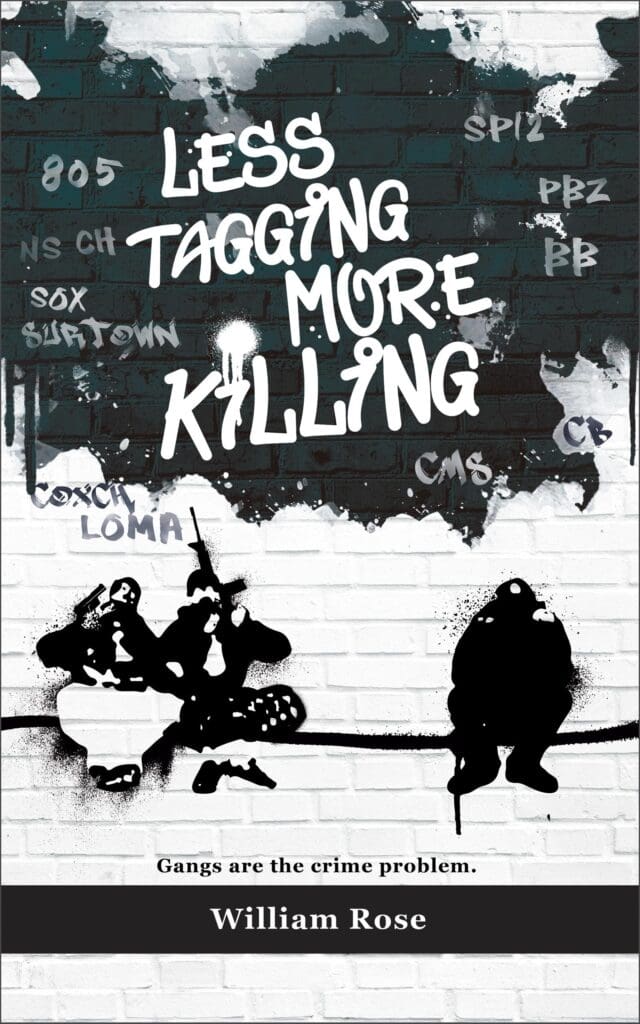
To learn more about gangs, get the book Less Tagging More Killing.